

By: Ariel Beramendi
The Pontifical Council for Social Communications (PCCS) in Rome has just celebrated the International Congress of the "Catholic Press in the Digital Age thus closing the first cycle of systematic and profound reflection on communication in the Catholic Church, this journey began in 2006 when the then President of the Congregation, Archbishop John Foley, convened in Madrid representatives and delegates from stations TV from around the world.
Two years later, one of the first calls that Archbishop Claudio Maria Celli made after the payroll as the new President of the Pontifical Congregation dealing encourage and stimulate internal communication to the Church, was convened in the 2008 to representatives of the Catholic radio throughout the Catholic world, the same year were summoned to Rome the heads of the Schools of Communication of Catholic Universities, and in 2009 was invited to a seminar for presiding bishop of the Episcopal Commissions of Communication.

The theme of these meetings, respecting the characteristics of each sector, has been the attempt to answer the basic question of what the identity "Catholic" of media or media entity that claims to be, or belong to the Catholic Church and what are the challenges that such entity face communication with the technological and social context.
First, the "catholicity" of a communication medium, so to speak, comes from the objective belonging to an ecclesial entity and the content transmitted and spread through it, it is clear that Catholic media need to reflect the rich experience universal which Church born at Pentecost.
The experiences shared during these meetings have reflected the different rates in the field of social communication that Church moves; and has been necessary to emphasize that the Catholic identity of a media should not leave room for improvisation or an order misunderstood , but every media project will be born as a result an assessment of the resources that account for technical and human level, of a studio audience to which it will offer service objectives. Precisely because the message that Christian communicators guard, spreading the Good News must be done with a good professional in this sense the meetings called by the PCCS has been a stage where it has been exemplify some projects that can serve as a roadmap in other places.

On the other hand, a recurring thought during these years has been to analyze the challenges facing the Christian message to a technological context, in a sense, has offered solutions several technical problems and at the same time, has opened new vistas of communication and the value of local information in an instant and global communication system, the brevity and speed of communication and information, a digital landscape that constantly proposed Asked what are the new and efficient language with which the Church has to communicate with people today.
this challenge, not only for pastoral workers is compounded by the indifference - and in some cases, hostility - to the Christian Message by increasing social fields more extensive than simply not interested in seeing , listen or read the mass media with the adjective "Catholic. In late 2009 the Holy Father gave the Church a beacon to not lose sight to these new challenges, he asked to look into our religious experience a space for "gentiles of the modern world, the Pope used the metaphor of the "court of the gentiles" for operators of culture and communication are able to create new spaces for dialogue.
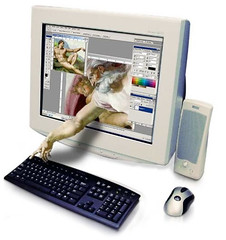 Reborn then the question that challenges today's Christians what language to communicate?, What codes or icons can communicate with the world today? What image of the Church want to communicate?
 mention the challenge of content and form of communication is to stress the need for training, this has been a constant echo in the congresses held by the Vatican Congregation. There is no doubt that educational institutions are required to prepare new generations of media professionals, keeping in mind a vision of man that does not end with the Transcendent and the Eternal, media professionals and / or agents pastoral that are capable of social communication not reduce to a purely instrumental view or amplifying information that does not ask whether the caller received or understood the message. To use the words of Benedict XVI today require communicators in the Church and society are true deacons of Culture, witnesses and advocates Truth, with a view clear that the dignity of the human person is located in the first place.
During these years we have closed a first series of reflections on identity and mission, ie what we are and why we exist as Catholic communicators, not yet know how many of us but it's clear that more resources communication is not necessarily better communication, but during the congress has been jointly achieved and mutual understanding of experiences that are currently resulting in network projects, synergies and exchanges that are discovering the church communicators Catholic are not plowing the wilderness, and to strengthen common interests that can make a quantum leap in communication projects that are carried out, bearing in mind that communion and unity do not necessarily mean uniformity.


0 comments:
Post a Comment